


Dinner the most important meal of the night
- The Junction Gym

- Feb 11
- 4 min read
Why the Night-Before Dinner Matters
Your body doesn’t run only on what you eat an hour before warm‑up. Glycogen (stored carbohydrate in your muscles and liver), hydration status, and even how settled your stomach feels all reflect the previous 24 hours of eating and drinking. A solid dinner the night before helps you:
Start the next day with fuller glycogen stores.
Sleep better because you’re not starving, wired from junk food, or dealing with reflux.
Wake up with one less thing to worry about your base nutrition is already handled.
Think of that meal as laying down the “road surface” your engine will drive on the next day.
The Four Jobs of a Night-Before Dinner
A good pre‑performance dinner should do four main things:
Top up glycogen (carb storehouse) Carbohydrates are your main fuel for high‑intensity efforts, sprints, changes of direction, jumps, repeated efforts. Dinner is a prime opportunity to load up without rushing.Aim for a plate where roughly half is carbohydrate: pasta, rice, potatoes, quinoa, couscous, or wholegrain bread.
Provide enough protein for recovery and repair You’re not just fuelling tomorrow; you’re repairing today. Protein at dinner supports muscle repair overnight and reduces muscle breakdown.Most athletes do well with about 25–40 g of protein at this meal from foods like chicken, fish, lean beef, tofu, tempeh, Greek yogurt, or eggs.
Support hydration and electrolytes Salty, processed restaurant meals are not the same as smart sodium intake. Including some salt (for example, in sauces or seasoning) with plenty of fluids helps your body hold onto water so you don’t start game day already behind.Broths, tomato-based sauces, lightly salted carbs, and some fruit or veggies with high water content (like cucumber or oranges earlier in the day) all help.
Be gentle on your gut The night before is not the time to test your spiciest curry or your biggest greasy burger. Heavy, fatty, or very high‑fibre meals can hang around and lead to:
Bloating and gas
Reflux when you lie down
Sluggish, “heavy” feeling the next morning
Keep fat moderate (not zero), fibre moderate (especially if you compete early), and avoid foods you know trigger you.
What a Great Night-Before Dinner Looks Like
You don’t need anything fancy. Use this simple structure:
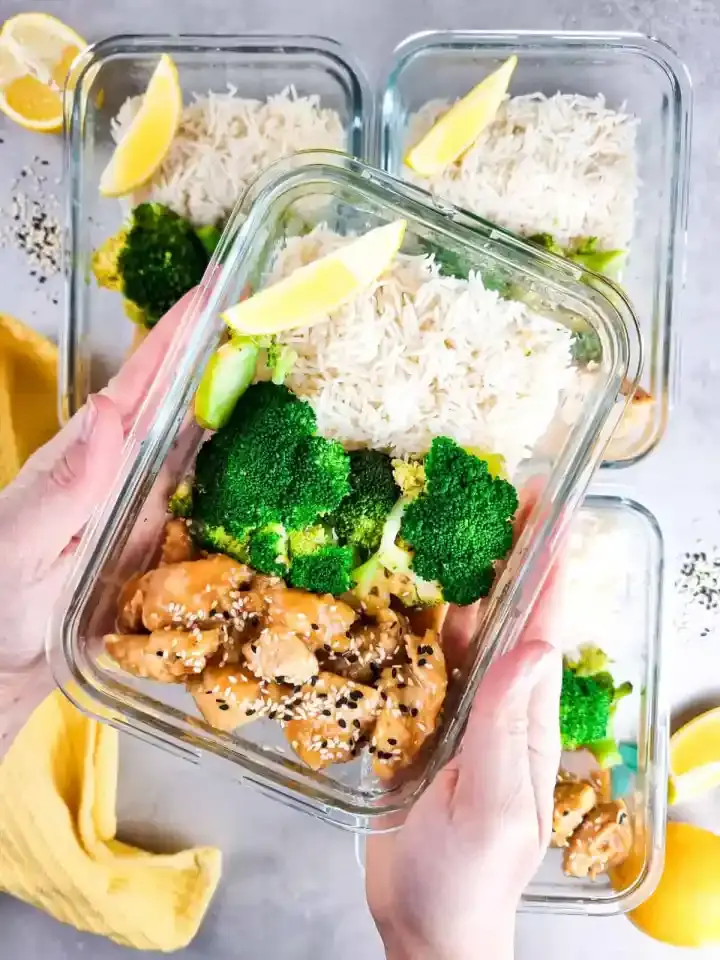
Half the plate: carb (pasta, rice, potatoes, couscous, noodles, grain mix).
A quarter: lean protein (chicken, fish, tofu, tempeh, eggs, lean beef, lentils).
A quarter: cooked vegetables (easier on the gut than a huge bowl of raw salad).
Plus: water (and maybe an electrolyte drink) and a small amount of healthy fat (olive oil, avocado, nuts, seeds, pesto).
Example dinners
You can adjust portion sizes to your sport, size, and training load.
Chicken pasta: Wholegrain or regular pasta + grilled chicken + tomato‑based sauce + a side of cooked veggies (like zucchini and capsicum) + olive oil drizzle.
Rice bowl: White or brown rice + grilled salmon or tofu + steamed broccoli and carrots + soy sauce and sesame oil.
Potato and mince plate: Baked or mashed potatoes + lean beef or turkey mince in a simple tomato sauce + spinach or green beans.
Simple vegetarian option:Couscous or quinoa + chickpeas or lentils + roasted pumpkin and capsicum + feta and olive oil.
How This Sets You Up for the Next Day
1. You wake up with fuel already “in the tank”
If you skimp on carbs at dinner, your glycogen stores are lower, and you’ll rely more on breakfast and snacks to catch up. That’s stressful if:
You have an early‑morning session.
You’re nervous and don’t feel like eating.
Travel or school/work makes pre‑game eating chaotic.
A carb‑rich dinner gives you a buffer. Breakfast becomes a top‑up, not a rescue mission.
2. Your muscles repair while you sleep
Including enough protein (around a palm‑sized serving for most people) means you provide amino acids overnight. That helps:
Reduce next‑day soreness.
Improve adaptation to training.
Support immune function during heavy training blocks.
Combine this with a normal protein breakfast, and you’re much better prepared for back‑to‑back sessions or tournaments.
3. Your gut feels settled, not heavy
If dinner is huge, greasy, or very high in fibre, you may still feel it in the morning, especially if you have to eat again before you play. Common outcomes of a poor pre‑game dinner:
Needing the toilet right before warm‑up.
Feeling bloated in your kit.
Nausea or reflux when you start running.
By choosing moderate portions, familiar foods, and limiting heavy fried items, you’re more likely to have a calm stomach and predictable energy.
4. Your hydration is easier to manage
Going into the night already slightly dehydrated makes it harder to catch up. A salty but not overly processed dinner plus 1–2 large glasses of water helps:
Improve overnight rehydration.
Reduce morning headaches or “foggy” feeling.
Make game‑day hydration more about topping up rather than fixing a problem.
Timing, Sleep, and Routine
When you eat matters almost as much as what you eat.
Finish dinner 2–4 hours before bed This gives your stomach time to empty so you’re not going to sleep uncomfortably full. Late, heavy dinners can disrupt sleep, which is one of the strongest performance tools you have.
Have a small snack if needed If your game is early and you’re worried about waking up hungry, a small carb‑focused snack 60–90 minutes before bed, like toast with honey, a banana, or a small bowl of oats, can help without overloading your gut.
Repeat, don’t experiment Your pre‑game dinner should be boring in the best way: predictable, tested, and familiar. Use training nights as practice to find what works for you, then stick to that on big days.
Putting It All Together
If you’re an athlete, treat the night‑before dinner as part of your warm‑up that starts 12–14 hours early. A balanced, carb‑focused, moderate‑protein, gut‑friendly meal:
Fills your glycogen stores.
Supports overnight muscle repair.
Keeps your gut calm.
Makes game‑day breakfast and snacks much easier.
If you tell me your sport, game time (morning vs evening), and any gut issues you’ve had, I can sketch a specific “night‑before + game‑day” menu tailored to you.


